Quick answer
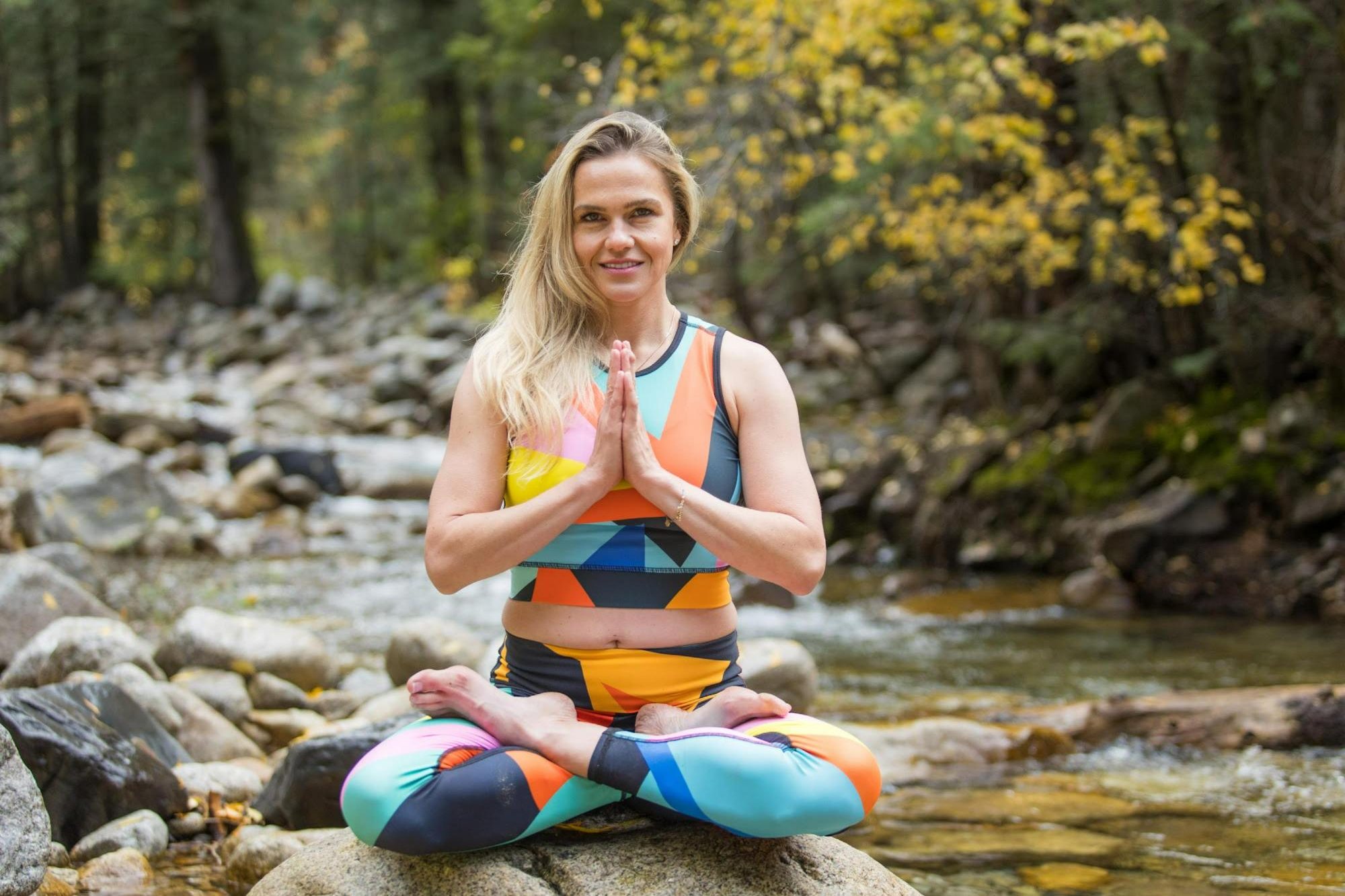
Lotus Pose (Padmasana) is a cross-legged seated posture where each foot rests on the opposite thigh, soles facing up, with a tall spine. It is a classic meditation seat but requires deep hip rotation. If your hips are tight, Half Lotus or Easy Pose give you the same steady, upright base without risking your knees.
Contains affiliate links. As an Amazon Associate we earn from qualifying purchases. Disclosure
| Sanskrit name | Padmasana (pud-MAHS-uh-nuh) |
|---|---|
| English name | Lotus Pose |
| Pose type | Seated, hip opener, meditation posture |
| Level | Intermediate to advanced |
| Targets | Hips (external rotation), knees, ankles, posture |
| Hold time | 30 seconds to 1 minute per side for beginners; longer for meditation |
| Drishti (gaze) | Eyes closed, or a soft gaze at the tip of the nose |
Lotus Pose is one of the most recognizable images in yoga, and it is closely linked with meditation. Its symbol, the lotus flower, rises clean from muddy water, a reminder of clarity growing out of everyday life.
It is also the pose most likely to be forced. This guide shows you how to approach Lotus safely, how to protect your knees and which alternatives give you an equally good meditation seat.
How Do You Do Lotus Pose Safely?
- Warm up first. Spend 5 to 10 minutes on hip openers such as Pigeon Pose and figure-four stretches. Never attempt Lotus cold.
- Sit on a folded blanket. Raising your hips 2 to 4 inches lets your knees drop and your pelvis tilt forward.
- Cradle the right leg. Bend your right knee and hold the shin like a baby in your arms. Gently rock it to encourage rotation at the hip, not the knee.
- Place the right foot. Keeping your knee bent and the foot flexed, guide the right foot high onto the left hip crease, sole facing up.
- Check the knee. The right knee should feel comfortable. If it lifts high off the floor or you feel any twinge, stay here in Half Lotus.
- Add the left foot. Only if there is no knee discomfort, bend the left knee and lift the left foot over the right shin onto the right hip crease.
- Sit tall. Lengthen the spine, relax the shoulders and rest your hands on your knees or in a mudra. Breathe slowly for 30 seconds to 1 minute.
- Release and switch. Unfold one leg at a time with your hands, shake out the legs, then repeat with the left leg first.

How Do You Protect Your Knees in Lotus?
The knee is a hinge joint built mainly to bend and straighten. Lotus asks the hip to rotate outward a long way. When the hip cannot provide that rotation, the knee twists to make up the difference, which can stress the ligaments and cartilage.
Be careful: Never pull your foot into place with force or ask someone to push your knees down. Sharp, pinching or twisting knee pain means stop. Discomfort in the outer hip is acceptable; discomfort in the knee is not.
- Keep the foot flexed so the ankle and knee stay stable.
- Move the whole thigh from the hip rather than lifting the foot by the toes.
- Lift the hips on a cushion so the knees can drop below the hips.
- Stay in Half Lotus until full Lotus feels effortless on both sides.
What Are the Best Alternatives to Lotus Pose?
| Pose | Leg position | Hip demand | Best for |
|---|---|---|---|
| Easy Pose (Sukhasana) | Simple cross-legged, feet under opposite knees | Low | Beginners and long meditations |
| Accomplished Pose (Siddhasana) | One heel in front of the other, close to the body | Moderate | Steady meditation without Lotus |
| Half Lotus (Ardha Padmasana) | One foot on the opposite thigh, the other under the knee | Moderate to high | Building toward Lotus |
| Full Lotus (Padmasana) | Both feet on opposite thighs | Very high | Experienced practitioners with open hips |
| Hero Pose (Virasana) on a block | Kneeling, sitting between the heels | Low for hips, moderate for knees | People with tight outer hips |
All of these support a tall spine for meditation and breathing practice. Choose the one that lets you forget about your legs.

What Are the Benefits of Lotus Pose?
- Stable meditation seat. Once comfortable, the locked legs create a wide, steady base.
- Encourages upright posture. The shape tends to tilt the pelvis forward and lift the spine.
- Hip mobility. Working toward Lotus builds external rotation in the hips.
- Calm focus. Many people find that a steady seat makes it easier to settle the mind.
What Are the Most Common Lotus Pose Mistakes?
| Mistake | Why it matters | Fix |
|---|---|---|
| Forcing the foot up | Twists the knee | Stay in Half Lotus or Easy Pose |
| Sitting flat on the floor | Rounds the lower back | Sit on a folded blanket or cushion |
| Sickled ankle | Strains the outer ankle | Flex the foot as you place it |
| Always the same leg on top | Creates imbalance | Alternate sides each session |
| Ignoring numbness | Can compress nerves | Unfold the legs and rest |
How Can You Modify Lotus Pose?
- Cushion or block under the hips: helps the knees drop and the spine lengthen.
- Blocks under the knees: supports knees that float high off the floor.
- Half Lotus: one foot on the thigh, one on the floor.
- Chair seat: sit tall on a chair with feet flat for a fully accessible option.
Who Should Avoid Lotus Pose?
Avoid full Lotus if you have a knee injury, meniscus problems, knee replacement, ankle injury or significant hip arthritis. During pregnancy, ligaments loosen, so many teachers suggest Easy Pose instead. If you are unsure, talk to your doctor or a physical therapist before working toward Lotus.
What Are the Best Preparatory and Counter Poses?
Prepare with: Pigeon Pose, Cobbler’s Pose (Baddha Konasana), figure-four stretch, Happy Baby and Seated Forward Bend.
Counter with: straight legs and gentle knee shakes, a Bridge Pose or a short rest in Savasana.
Props for Lotus and seated poses
- Meditation cushion: lifts your hips so your spine can sit tall
- Yoga blanket: padding for knees and warmth during rest
- Cork yoga blocks: bring the floor closer in standing and seated poses
Affiliate links. We may earn a commission.
Key Takeaways
- Lotus Pose rests each foot on the opposite thigh and needs deep hip rotation.
- Knee pain is a stop sign; hip sensation is acceptable.
- Warm up and sit on a cushion before attempting it.
- Half Lotus and Easy Pose are excellent, fully valid meditation seats.
- Alternate which leg is on top.
Frequently Asked Questions
Is Lotus Pose bad for your knees?
Lotus Pose can strain the knees when the hips are not open enough, because the knee then twists to make up the difference. It is safe for many people who build hip rotation gradually, but never force it. Stop immediately if you feel pain in or around the knee.
Why can’t I do Lotus Pose?
Most people cannot do full Lotus because it requires a large amount of external rotation in the hip joint, which depends partly on bone structure. Tight hips, previous knee injuries and anatomy can all limit it. Half Lotus or Easy Pose offer the same meditative benefits.
Do you need Lotus Pose to meditate?
No. The goal of a meditation seat is a tall, stable spine and a relaxed body. Easy Pose on a cushion, kneeling on a bench or sitting on a chair all work well. Choose a position you can hold comfortably for 10 minutes or more.
How long does it take to learn Lotus Pose?
It varies widely. Some people sit in Lotus easily, while others work on hip mobility for months or years, and some never reach it because of their skeletal structure. Consistent hip opening practice a few times a week is more useful than any timeline.
Which leg goes on top in Lotus Pose?
Traditionally the right foot is placed first on the left thigh, then the left foot on the right thigh. In practice, you should alternate which leg is on top from day to day to keep both hips balanced.
How long should I sit in Lotus Pose?
Beginners can start with 30 seconds to 1 minute per side. Experienced practitioners may sit for 10 to 20 minutes during meditation. Come out sooner if you feel numbness, tingling or any knee discomfort.
This article is for educational purposes and is not medical advice. Check with a qualified healthcare provider before starting a new exercise program, especially if you are pregnant, injured or managing a health condition.


