
Quick answer
The best yoga poses for hikers and skiers are Low Lunge, Half Splits, Chair Pose, Warrior III, Tree Pose, Pigeon Pose, Downward Dog, Bridge Pose, Boat Pose and Legs Up the Wall. Together they open tight hip flexors and hamstrings, build quad, glute and core endurance, and sharpen balance. Practice them 2 to 3 times a week, year round.
Contains affiliate links. As an Amazon Associate we earn from qualifying purchases. Disclosure
| Best for | Hikers, trekkers, skiers, snowboarders, trail runners and mountaineers |
|---|---|
| Time needed | 15 to 20 minutes for all 10 poses |
| How often | 2 to 3 times per week, more during training blocks |
| Equipment | Mat, optional block and strap |
| Main targets | Hip flexors, quads, hamstrings, calves, glutes, core, ankles |
| Level | Beginner to intermediate |
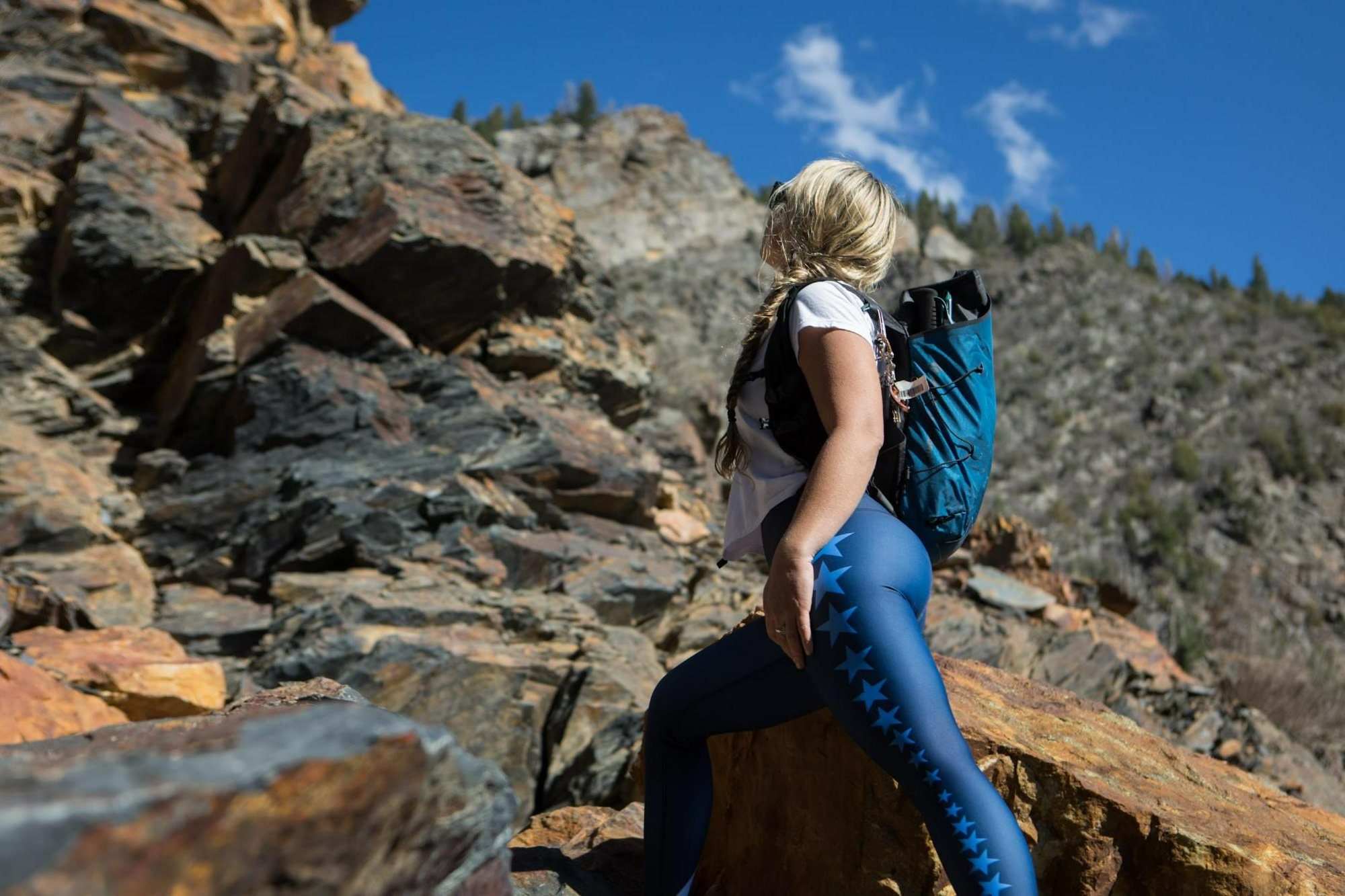
Whether you are trekking in the Alps, hiking a coastal path, skinning up a backcountry ridge or carving groomers on a family holiday, mountain sports ask a lot of your legs. Long climbs shorten the hip flexors, steep descents hammer the quads, and every icy patch or loose rock tests your balance.
Yoga is the ideal counterpart. This guide gives you 10 poses chosen specifically for mountain athletes, plus routines for pre-season training, the trailhead and the evening after a big day.
Why Do Hikers and Skiers Need Yoga?
Hiking and skiing are both repetitive, leg-dominant sports. Hiking keeps your hips flexed for hours, especially uphill with a pack. Skiing holds you in a crouched stance that keeps the quads working almost nonstop. Over a season, that pattern can leave you tight in front, weaker behind and stiff through the lower back.
A regular practice helps in four ways:
- Mobility. Lunges and folds restore range to the hip flexors, hamstrings and calves.
- Strength endurance. Held poses like Chair Pose mimic the sustained effort of a ski stance or a long climb.
- Balance and ankle stability. Single-leg poses train the small stabilizing muscles you rely on when footing is uncertain.
- Breath control. Steady nasal breathing helps you pace climbs and stay calm on steep or exposed terrain.
What Are the 10 Best Yoga Poses for Hikers and Skiers?
Move slowly into each pose and breathe through your nose. The hold times are a starting point. Build gradually over several weeks.
1. Low Lunge (Anjaneyasana)
Step one foot forward and lower your back knee to the mat. Shift your hips forward until you feel a stretch at the front of the back hip, then lift your arms. Hold 45 to 60 seconds per side. This is the essential pose for anyone who climbs hills with a pack.
2. Half Splits (Ardha Hanumanasana)
From Low Lunge, shift your hips back and straighten your front leg, flexing the foot. Keep your back long and hands on blocks. Hold 45 seconds per side to release hamstrings after long descents.
3. Chair Pose (Utkatasana)
Stand with feet hip-width apart, sit your hips back and reach your arms forward or up. Keep your weight in your heels and your knees tracking over your toes. Hold 5 to 8 breaths and repeat 3 times. It is the yoga version of a ski tuck and a brilliant quad builder.
4. Warrior III (Virabhadrasana III)
Balance on one leg and hinge forward until your torso and lifted leg are roughly parallel to the floor. Keep your hips level and the standing knee soft. Hold 5 breaths per side, using a wall or chair for support at first. It trains the single-leg control you use on every rocky step.
5. Tree Pose (Vrksasana)
Stand on one leg and place the other foot on your inner calf or thigh, never directly on the knee. Hold 30 to 60 seconds per side. For a challenge, close your eyes or slowly turn your head. See the full Tree Pose guide.

6. Pigeon Pose (Eka Pada Rajakapotasana)
Bring one shin forward on the mat and extend the other leg back. Square your hips and fold forward if comfortable. Hold 1 to 2 minutes per side to open the outer hips and glutes. If your knee is sensitive, do Figure Four on your back instead. Learn more in our Pigeon Pose guide.
7. Downward Dog (Adho Mukha Svanasana)
From hands and knees, lift your hips up and back. Pedal your feet to stretch the calves and Achilles, which work hard on steep uphill trails and in stiff ski boots. Hold 1 minute. See the Downward Dog guide for alignment.
8. Bridge Pose (Setu Bandha Sarvangasana)
Lie on your back with knees bent and feet flat. Press through your feet and lift your hips. Hold 5 breaths and repeat 3 times. Bridge strengthens the glutes and hamstrings, balancing out quad-heavy skiing. Details are in our Bridge Pose guide.
9. Boat Pose (Navasana)
Sit, lean back slightly and lift your feet so your shins are parallel to the floor. Reach your arms forward. Hold 5 breaths and repeat 3 times. A strong core helps you stay stacked over your skis and carry a pack without straining your back. Try the progressions in our Boat Pose guide.
10. Legs Up the Wall (Viparita Karani)
Lie with your hips near a wall and rest your legs up it. Stay for 3 to 5 minutes, breathing slowly. After a long day on your feet, this is the pose most mountain athletes come to love.
Which Poses Help Hiking vs Skiing Most?
| Pose | Main benefit | Hiking | Skiing |
|---|---|---|---|
| Low Lunge | Hip flexor length | Essential | Helpful |
| Half Splits | Hamstring length | Essential | Helpful |
| Chair Pose | Quad endurance | Helpful | Essential |
| Warrior III | Single-leg balance | Essential | Essential |
| Tree Pose | Ankle stability | Essential | Helpful |
| Pigeon Pose | Outer hip release | Helpful | Essential |
| Downward Dog | Calf and Achilles | Essential | Helpful |
| Bridge Pose | Glute strength | Helpful | Essential |
| Boat Pose | Core strength | Helpful | Essential |
| Legs Up the Wall | Recovery | Essential | Essential |
How Should You Use Yoga Before, During and After Mountain Days?
- Pre-season (6 to 8 weeks out). Practice all 10 poses 2 to 3 times a week, emphasizing Chair, Warrior III, Bridge and Boat for strength.
- At the trailhead or lift base (5 minutes). Keep it dynamic: Cat-Cow while standing with hands on thighs, 6 rocking Low Lunges per side, leg swings and a few Chair Pose pulses.
- On the trail or slopes. At rest stops, take a standing quad stretch and a gentle forward fold. Keep breathing slowly through your nose on climbs.
- After the day (15 minutes). Low Lunge, Half Splits, Pigeon, Downward Dog and Legs Up the Wall, holding each pose for 1 to 2 minutes.
- Rest days. A slow Yin yoga session helps restore mobility through a long trip or season.
Teacher tip: Hikers who also trail run will find complementary sequences in Yoga for Runners.
Is It Safe to Do Yoga at Altitude?
Many mountain trips take you well above where you live, and your body needs time to adjust. Gentle yoga is generally fine once you feel acclimatized, but go easier than you would at home for the first few days. Skip long breath holds and strenuous flows, drink plenty of water and stop if you feel dizzy or unusually breathless.
Our full guide to yoga at altitude covers breathing, pacing and warning signs in detail.
What Safety Tips Should Mountain Athletes Follow?
Be careful: Do not stretch deeply on cold muscles, especially in winter. Warm up first, keep knees tracking over toes in lunges and Chair Pose, and avoid Pigeon if it causes knee pain. See a healthcare provider about any pain that lingers after a trip.
- Stretch to a comfortable 5 or 6 out of 10, never sharp pain.
- Practice outdoors only on stable, flat ground away from edges.
- Layer up when practicing in cold air so your muscles stay warm.
- Balance stretching with strength so your joints stay supported.
Recovery gear
- Foam roller: loosens legs before and after a run or hike
- Massage ball: releases tight glutes, hips and shoulders
- Yoga strap: extends your reach in hamstring and shoulder stretches
Affiliate links. We may earn a commission.
Featured brand: Playground
What we wear to practice. Playground is a Los Angeles designed women’s activewear brand known for printed leggings, pocket leggings, flares and bike shorts made to go from the mat to the rest of your day. It is what our founder wears to class. Shop Playground leggings, bike shorts or best sellers. Sign up on their site for 15% off your first order.
Partner link. We may earn a commission.
Key Takeaways
- Hiking and skiing load the same areas: hip flexors, quads, calves and glutes.
- These 10 poses combine mobility, strength endurance, balance and recovery.
- Begin pre-season training 6 to 8 weeks before your trip or ski season.
- Use dynamic moves before activity and long holds afterward.
- Go gently at altitude and listen to your body.
Frequently Asked Questions
Is yoga good for hikers?
Yes. Hiking loads the hip flexors, quads, calves and lower back, especially on steep climbs and long descents. Yoga lengthens those areas, strengthens the glutes and core, and trains the balance you need on rocky or uneven trails.
What yoga poses are best for skiing?
Chair Pose, Warrior III, Boat Pose, Low Lunge and Pigeon Pose are especially useful. Chair Pose builds the quad endurance of a ski stance, Warrior III trains single-leg balance, Boat Pose strengthens the core and the lunges and hip openers restore mobility after long days.
Should I do yoga before or after hiking or skiing?
Do a few minutes of dynamic movement before you start, such as Cat-Cow, lunges and leg swings. Save longer held stretches like Pigeon Pose and Half Splits for after your day, when your muscles are warm.
How many weeks before ski season should I start yoga?
Starting 6 to 8 weeks before your first ski days gives you time to build leg endurance and balance. Practice 2 to 3 times a week, including strength poses like Chair and Warrior III, not just stretches.
Can yoga help with knee pain from hiking downhill?
Yoga can strengthen the quads, glutes and hips that help control your knees on descents, and it can ease tightness around the joint. It is not a treatment for injury, so see a healthcare provider about persistent knee pain.
Is it safe to do yoga at high altitude?
Gentle yoga is usually fine at altitude once you feel acclimatized, but go easier than usual on the first days. Avoid strong breath holds and vigorous flows, stay hydrated, and stop if you feel dizzy, breathless or headachy.
This article is for educational purposes and is not medical advice. Check with a qualified healthcare provider before starting a new exercise program, especially if you are pregnant, injured or managing a health condition.


